What's New?
Last time I binged on cartoons, we ran through most of the ones on the Saturday Supercade, all of which were based on games that contained little to no plot. Usually, this resulted in some kind of Scooby-Doo knockoff with a monkey crammed in it. In the glory days of the '90s, however, games were graced with things like actual stories and characters. For some reason this didn't really stop cartoons from grabbing one or two ideas and just making the rest up. Here are a few of my favorite Saturday morning clusterf**ks...
Valve, the developer of the Half-Life franchise, was one of the pioneers of digital distribution with its Steam delivery service. The company has managed to remain independent in this time of industry consolidation, and kept its focus on PC gaming at a time when some have declared it dead. GamesIndustry.biz spoke to Valve's VP of marketing, Doug Lombardi at a recent EA press event, about the challenges the company has faced, the boost it has given to indie game development and the changing PC market....
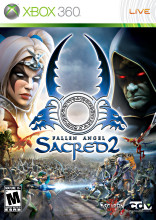
Action-role-playing games grew up in corridors. Some have wide corridors, and some have randomized corridors, but they're all corridors that lead from a starting town hub to a final boss fight. Sacred 2 doesn't stand for that. You go where you want, for as long as you want, and even when you want. Do you intend to plow through the storyline? Have at it. It won't hold you back. Digging the swamps? Stick around and farm all the side quests. Curious about those islands up north or that desert in the south? Go have a look. The main quest -- available in good or evil flavors -- serves as a guided tour through every boss and every biome, with dozens of subquests along the way. But the point...
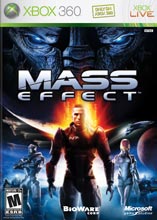
BioWare endeared itself to Xbox owners the world over when it unleashed Star Wars: Knights of the Old Republic. It not only filled a void in the Xbox library with an RPG, Knights of the Old Republic did so with style. The follow-up, Jade Empire, solidified BioWare as the preeminent RPG developer on Microsoft's big, black box. Needless to say, expectations have been high for Mass Effect, the studio's first Xbox 360 release. After playing through the game more than once, we can say with confidence that Mass Effect delivers on those expectations. The ride may get a bit bumpy at times, but it's one you don't want to miss...

 Copyright 2000 - 2008 News And Entertainment Network All Rights Reserved